
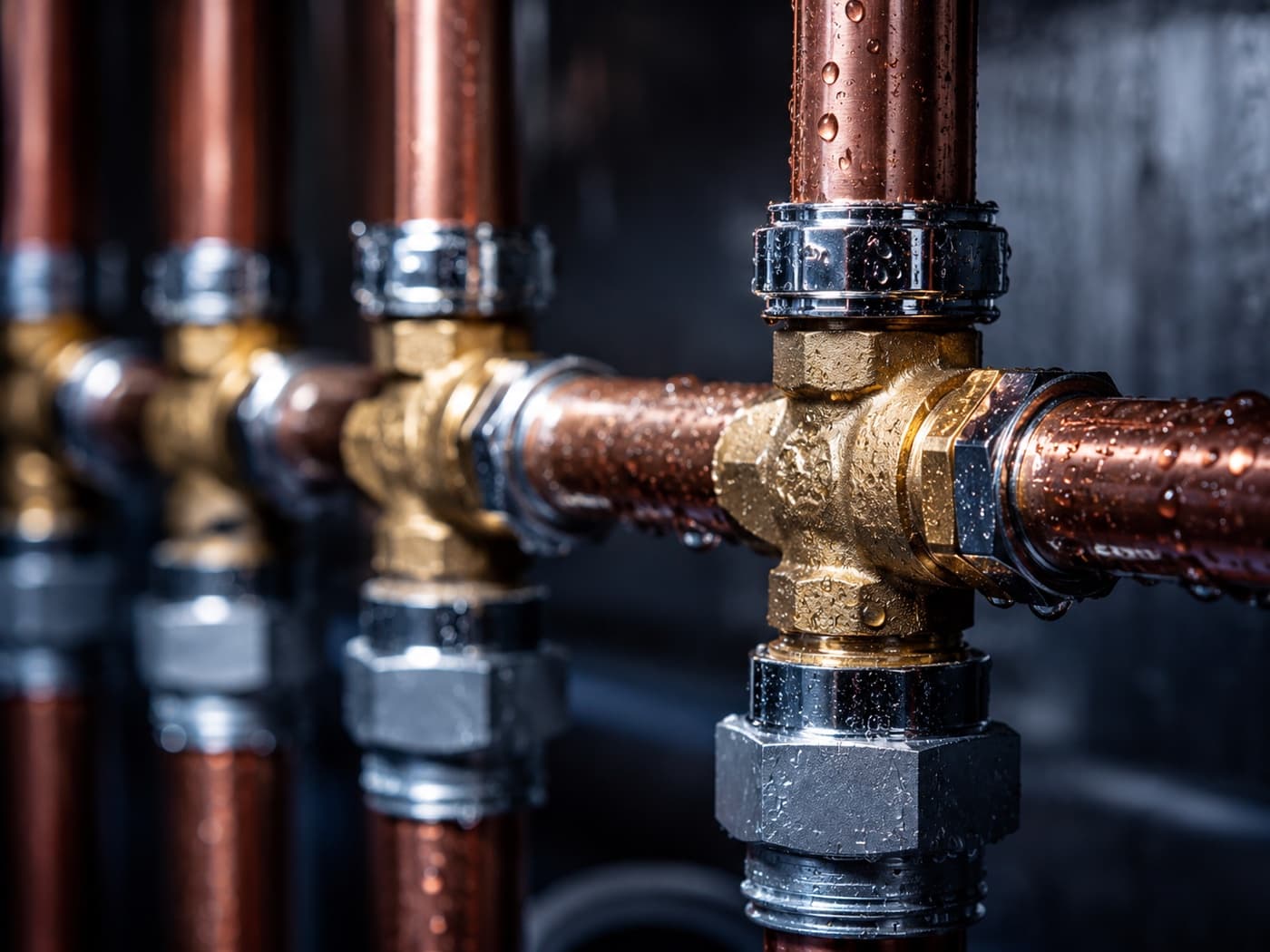
Knowing how to keep pipes from freezing comes down to three things: keep heat reaching the pipes, keep water moving through them on the coldest nights, and block the cold air that gets to them. Most frozen pipes in central Indiana are preventable with an hour of work in October and a few habits in January. Indiana Flow is a family-owned plumbing company run by Omar and Ahmad Saltagi, licensed in Indiana under PC12000053, and this is the same advice we give our own customers. If you want a second set of eyes on a crawlspace or garage line before the cold arrives, call 317-463-3569.
Which Pipes Freeze First in a House
Pipes do not freeze at random. The first ones to go are almost always the lines that sit outside the heated envelope of the home or right up against an exterior wall, where the wind can pull heat out of them overnight. In Indianapolis-area homes, these are the usual suspects:
- Outdoor hose bibs and their supply lines: the short run of pipe just inside the wall is exposed to outdoor air through the siding and rim joist.
- Crawlspace plumbing: vented crawlspaces under older Indianapolis homes can drop well below freezing during a cold snap.
- Garage lines: water heaters, laundry hookups and softeners in an attached garage share the space with a large uninsulated door.
- Kitchen and bathroom sinks on exterior walls: closed cabinet doors trap the pipes in a cold pocket away from room heat.
- Pipes in unheated additions, porches and bonus rooms over garages: these spaces were often plumbed after the original house and insulated less carefully.
- The main water line where it enters the basement: if the foundation wall is cracked or the rim joist is unsealed, cold air hits the most important pipe in the house.
At What Temperature Pipes Start to Freeze
Water freezes at 32°F, but a pipe inside a house is shielded by walls, insulation and some heat from the living space. In practice, the risk climbs sharply once the outdoor temperature falls to about 20°F, and it climbs faster when the cold lasts for several nights in a row or comes with strong wind. Central Indiana sees that kind of weather most winters, usually in January and February.
The pipe does not have to freeze solid to cause trouble. As ice forms, it pushes water ahead of it toward a closed faucet, and the pressure builds in the section between the ice and the fixture. That is why a split often shows up a few feet away from the coldest spot, and why it may not start leaking until the ice melts.
Simple Steps to Prevent Frozen Pipes
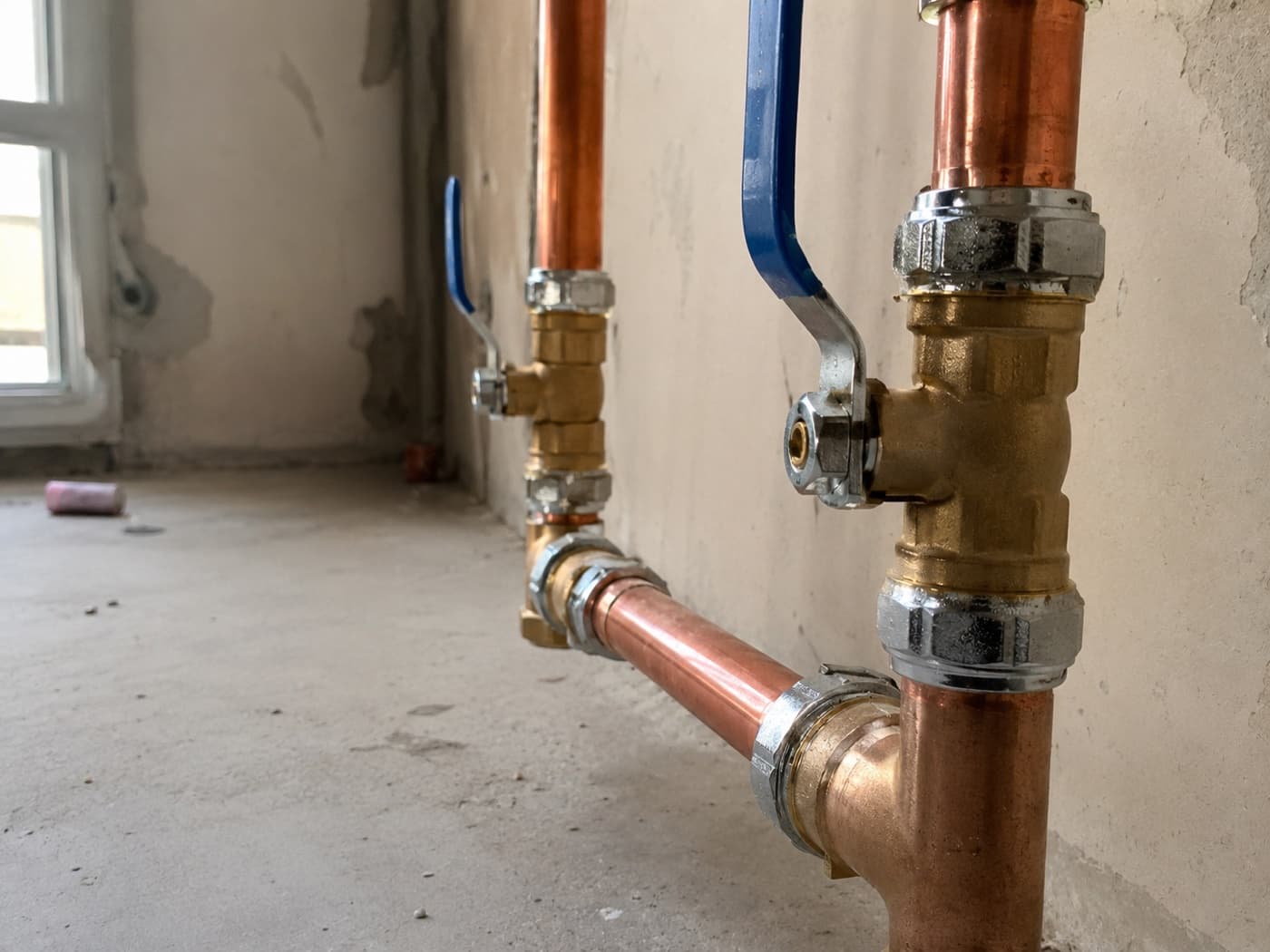
Most of this list costs little or nothing. Do the first four in fall, and the rest when the forecast turns.
- Disconnect garden hoses: a hose left on traps water in the hose bib, and that water freezes back into the pipe inside the wall.
- Shut off and drain outdoor faucets: if your hose bibs have an interior shutoff valve, close it and open the outdoor faucet to let the line drain. Frost-free sillcocks still need the hose removed to work.
- Insulate exposed pipes: foam pipe sleeves from any hardware store are enough for crawlspace, garage and basement rim-joist runs. Cover elbows and joints too.
- Seal the drafts: caulk or foam gaps where pipes, cables and dryer vents pass through exterior walls, and close crawlspace vents for the winter if your home has them.
- Keep the thermostat at 55°F or higher: this applies day and night, and especially when you travel. Lowering it to save on the gas bill is a poor trade against a water damage claim.
- Open cabinet doors on exterior walls: let room heat reach the sink supply lines on the coldest nights.
- Let a faucet drip: a slow drip of cold and hot water on the faucet farthest from the main relieves pressure and keeps water moving.
- Keep the garage door closed: especially if the water heater, softener or laundry lines are in the garage.
- Use heat cable where it is needed: a UL-listed, thermostatically controlled heat cable is a good fix for one stubborn pipe that freezes every year. Follow the manufacturer's instructions exactly.
How to Thaw a Frozen Pipe Safely
If you turn on a faucet and get a trickle or nothing at all while the rest of the house has water, a pipe feeding that fixture is probably frozen. Leave the faucet open so melting water has somewhere to go, then warm the pipe gently, starting from the faucet end and working back toward the cold spot.
A hair dryer, a space heater kept a safe distance away, or towels soaked in hot water all work. Never use a torch, a propane heater or any open flame. A flame can start a fire inside a wall, and it can heat one spot so quickly that the pipe splits or a soldered joint lets go. If you cannot reach the frozen section, or it is inside a finished wall or ceiling, stop and call a plumber rather than opening drywall on a guess.
When You Need Frozen Pipe Repair
Once the water is flowing again, check the whole length of the line you can see for drips, bulges or a hairline crack. Watch the ceiling below and the base of the wall for a few days, and read the water meter with every fixture off. If the dial moves, water is going somewhere. A hidden split is exactly the kind of problem our leak detection service is built to find without tearing out walls.
If a pipe does split, shut off the main water valve first, then turn off the water heater, then open a faucet on the lowest floor to drain the lines. Learn where your main shutoff is before winter, not during an emergency. Indiana Flow is open Monday through Friday, 8am to 5pm; if a pipe fails outside those hours, keep the main off and call us as soon as we open.
Our frozen and burst pipe repair work covers cutting out the damaged section, replacing it with copper or PEX, adding insulation or rerouting a line that keeps freezing, and pressure-testing the system before we leave. Every job carries a 1-year labor warranty, you can see Good/Better/Best pricing online before you book, and 0% financing is available through Wisetack or Klarna. We serve Indianapolis, Carmel, Fishers, Westfield, Noblesville, Zionsville, McCordsville and the rest of Hamilton County. Call 317-463-3569 to schedule.
Frequently Asked Questions
What temperature do pipes freeze in a house?
Pipes in a house are at real risk once the outdoor temperature drops to about 20°F, even though water itself freezes at 32°F. Pipes in crawlspaces, garages and exterior walls can freeze sooner, especially during several cold nights in a row or with strong wind.
Should I let my faucets drip at night when it is very cold?
Yes, a slow drip on the coldest nights helps keep pipes from freezing. Moving water is harder to freeze, and an open faucet relieves the pressure that splits a pipe. Drip both hot and cold on the faucet farthest from where water enters the house.
What should I set my thermostat to when I leave home in winter?
Set your thermostat to at least 55°F when you leave home in winter, including on overnight trips. Open cabinet doors under sinks on exterior walls, and consider shutting off the main water valve if you will be gone for more than a few days.
Can a frozen pipe leak after it thaws?
Yes, a frozen pipe often leaks only after it thaws, because the ice was holding the crack closed. Watch the area for a few days after thawing and check your water meter with every fixture off to catch a hidden leak.
Does Indiana Flow fix frozen and split pipes?
Yes, Indiana Flow repairs frozen and split pipes across Indianapolis and Hamilton County, Monday through Friday, 8am to 5pm. We replace the damaged section, insulate or reroute lines that keep freezing, and pressure-test the system, backed by a 1-year labor warranty.