Water filtration system installation Indianapolis homeowners ask about usually comes down to one question: what is actually in the water, and which whole-home setup deals with it without choking the pressure at every faucet. The honest answer is that most homes here need a combination — sediment and carbon filtration for taste, odor, and chlorine, plus softening for the hardness a filter cannot touch. Indiana Flow is family-owned and run personally by Omar and Ahmad Saltagi, licensed in Indiana under PC12000053 and insured. Call 317-463-3569 and an owner answers.
Whole-Home Filter Types and What Each One Removes
A whole-home, or point-of-entry, system sits on the main line right after the meter or well tank, so every tap, shower, and appliance gets treated water. The type of media inside decides what comes out. Picking one because it was the biggest box at the store is how people end up with a filter that does nothing about the problem they actually noticed.
Most Indianapolis homes on city water start with two stages: a sediment cartridge to catch sand, rust flakes, and grit from aging mains, followed by a carbon stage for chlorine taste and smell. Homes on a private well in the outer parts of Hamilton County are a different conversation, because iron, manganese, and the rotten-egg sulfur smell need dedicated media, and anything bacterial calls for UV disinfection rather than a cartridge.
- Sediment filter: traps sand, scale flakes, and rust particles; protects everything downstream.
- Granular or block carbon: reduces chlorine, many organic chemicals, and off tastes and odors.
- Catalytic carbon: the grade to ask for when the supply is disinfected with chloramine instead of chlorine.
- Iron and sulfur media: for well water with orange staining or a sulfur smell.
- UV disinfection: kills bacteria in well water; it removes nothing, so it always follows a sediment stage.
Is Indianapolis Tap Water Hard, and Can a Filter Fix That?
Indianapolis tap water is hard. Central Indiana sits on limestone, and local supply typically tests between 15 and 25 grains per gallon — anything over 10 counts as hard, and over 15 is very hard. That is the white crust on shower heads, the spots on glassware, and the scale that shortens water heater life.
Here is the part that surprises people: a standard sediment or carbon filter does not remove hardness. Calcium and magnesium are dissolved, not floating, so they pass straight through. Softening is an ion-exchange process, which is why a water softener installation is usually paired with filtration rather than replaced by it. The softener handles the minerals; the filter handles chlorine, taste, and particles.
Order matters when both go in. Sediment filtration typically goes first to protect the softener resin, and the carbon stage is positioned so the softener is not starved of what it needs. Getting that sequence right at install is cheaper than re-piping it later.
Point-of-Use Reverse Osmosis Versus a Whole-House System
Reverse osmosis is the other option people compare, and it does a different job. An RO unit under the kitchen sink pushes water through a membrane fine enough to cut dissolved solids, lead, and many contaminants a carbon filter misses — but it produces a few gallons a day, not enough to supply a whole house.
The practical answer for most homes is both: whole-home filtration and softening at the main, and a small RO system at the kitchen tap for drinking and cooking. We broke down that comparison in more detail in our reverse osmosis versus whole-house filter guide, so the short version here is that one protects the plumbing and the other polishes the glass of water.
What Goes Into a Proper Install and What It Costs
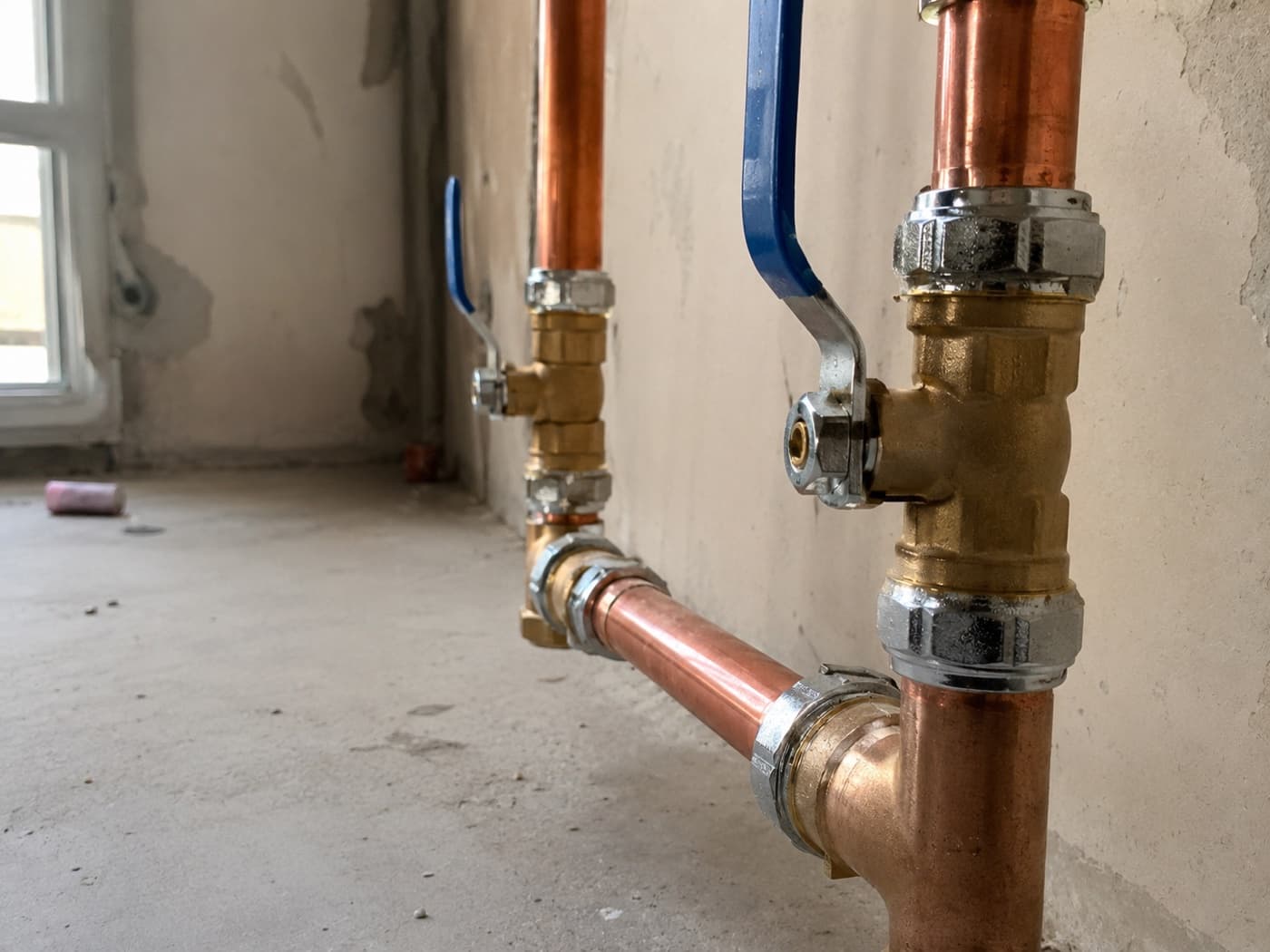
The equipment is only part of a good install. A whole-home system needs a shutoff on each side and a bypass loop so the filters can be changed, or the whole unit taken offline, without cutting water to the house. It needs a pressure gauge or at least a sensible cartridge size, because an undersized housing is the most common reason for weak showers after a filter goes in. And it needs a location with a drain nearby and room to actually swap a cartridge.
Indiana Flow publishes pricing online instead of making you wait for a visit. Choose water filtration and itemized Good, Better, and Best options appear in writing — typically the difference between a basic sediment and carbon setup, a larger-capacity system with longer cartridge intervals, and a combined filtration and softening package. There is 0% financing through Wisetack over 6, 9, or 12 months, or four interest-free payments with Klarna, and every job carries a 1-year labor warranty.
- Bypass loop and shutoffs: service the system without shutting off the house.
- Correct housing size: matched to household flow so pressure stays where it was.
- Access and drainage: placed where cartridge changes take minutes, not a crawl.
- Written scope: everything above spelled out in the quote before work starts.
Shower Reglazing vs Full Replacement When Hard Water Has Done Damage
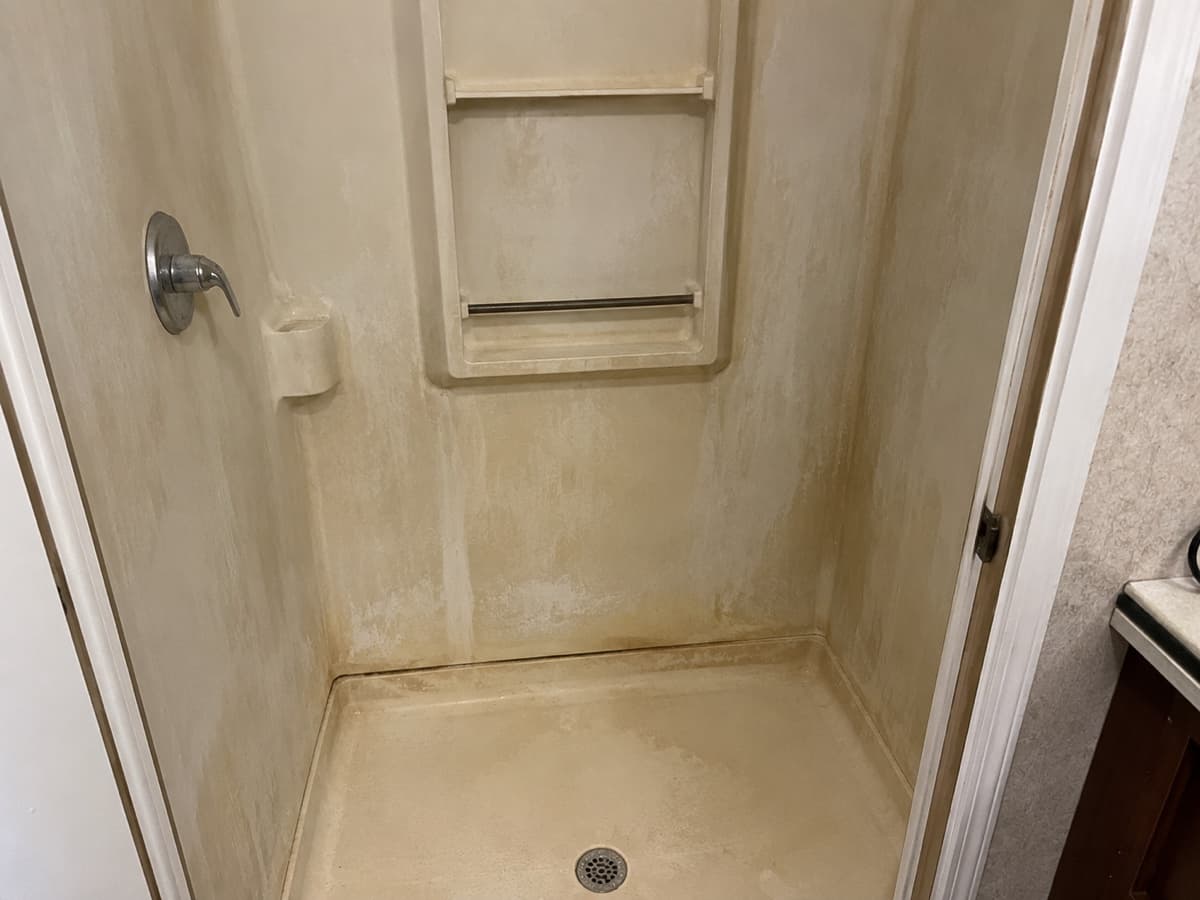
Years of untreated water leave their mark on bathrooms, and the question that often comes up alongside filtration is whether a stained, dull tub or shower needs to be torn out. Usually it does not. Shower reglazing vs full replacement comes down to the condition underneath: if the base is solid and not leaking, refinishing costs a fraction of a tear-out, takes a day or two instead of a week or more, and avoids demolition entirely.
Replacement makes sense when there is a leak, a cracked or flexing base, rotted framing, or a layout change. Otherwise shower glazing gives a clean, bright surface — and putting filtration and softening in first keeps that new finish from being etched and spotted all over again.
Gas Line Installation Indianapolis Homeowners Add to the Same Visit
Filtration work happens on the main line in a basement or utility room, which is often exactly where the gas service runs too. If a gas range, a dryer hookup, an outdoor grill line, or a move from an electric to a gas water heater is on the list, it is worth quoting at the same time. Gas line installation Indianapolis code requires is licensed work, pressure-tested before it goes into service.
Combining the jobs means one visit, one trip charge, and one warranty. Details on sizing, permits, and testing are on the gas piping page.
Ready to Find Out What Is in Your Water?
Start with the water, not the equipment. A test tells you whether you are dealing with hardness, chlorine, sediment, iron, or all of it, and that decides the right system. Indiana Flow serves Indianapolis, Carmel, Fishers, Westfield, Noblesville, Zionsville, and McCordsville from 9753 Crosspoint Blvd, Suite 110, with same-week scheduling Monday through Friday, 8am to 5pm.
Call 317-IND-FLOW (317-463-3569) or get an instant estimate online. Family-owned, licensed PC12000053, insured, 5.0 stars on Google. Go with the flow.
Frequently Asked Questions
Is Indianapolis tap water considered hard water?
Yes. Indianapolis tap water is hard to very hard, typically testing between 15 and 25 grains per gallon because central Indiana sits on limestone. Anything above 10 grains per gallon is classified as hard. That hardness causes scale on fixtures, spotting on dishes, and shorter water heater life, and it takes a water softener to remove it — a standard filter will not.
Does a whole-house water filter remove hardness?
No. Sediment and carbon filters remove particles, chlorine, and taste and odor problems, but calcium and magnesium are dissolved minerals that pass straight through. Removing hardness requires a water softener. Most Indianapolis homes that want both better-tasting water and less scale install filtration and softening together.
How much does water filtration system installation cost in Indianapolis?
It depends on the type of system, its capacity, and whether it is combined with a softener. Indiana Flow publishes itemized Good, Better, and Best pricing online, so you see a real number in writing before anyone visits. 0% financing is available through Wisetack over 6, 9, or 12 months, or Klarna in four payments.
Will a whole-home filter lower my water pressure?
A correctly sized system should not cause a noticeable drop. Pressure problems usually come from housings that are too small for the household's flow or cartridges left in long past their change interval. A proper install includes a bypass loop so cartridges can be changed quickly and the system can be taken offline if needed.
How often do whole-house filter cartridges need changing?
Sediment cartridges typically last three to six months and carbon stages six to twelve months, but heavy sediment or high household use shortens that. A pressure drop at the showers is the usual sign a cartridge is loaded. Call 317-463-3569 and an owner can recommend an interval based on your water and system size.