
Gas Piping
Gas Line Installation & Repair in Indianapolis
Licensed, code-compliant gas piping for new appliances, repairs, and full line replacements — done safely by Indiana Flow.
- ✓Upfront pricing — instant online estimates
- ✓1-year labor warranty on every job
- ✓Licensed Indiana plumber (PC12000053)
- ✓Mon–Fri, 8am–5pm
Get a Free Estimate
We'll follow up within minutes.
Licensed Gas Piping
Gas Piping for Appliances & Outdoor Kitchens
Gas work is not a DIY project. Indiana requires a licensed plumber for any work on the gas supply system — and for good reason.
Natural gas powers a large share of Indianapolis homes — furnaces, water heaters, ranges, dryers, and fireplaces. When gas piping is installed or repaired correctly, it runs invisibly and safely for decades. When it is not, the results can be catastrophic. Indiana Flow handles all residential gas piping work in Indianapolis and the surrounding suburbs, from a simple appliance hookup to a complete gas line replacement. Every job is done by a licensed plumber, pressure-tested before sign-off, and permitted where required by local code.
We also install and service gas water heaters — one of the most common reasons a homeowner needs new gas piping routed to a location. If you are replacing an electric water heater with a gas model, we handle the gas line and the water heater installation in a single visit.
New Gas Line Installation
Running a new gas line to a kitchen, laundry room, outdoor kitchen, or any other location in your home. We size the line correctly for the appliance load and route it safely through finished or unfinished spaces.
Gas Line Repair
Corroded, cracked, or leaking gas piping requires immediate professional attention. We locate the fault, make code-compliant repairs, and pressure-test the entire line before restoring service.
Gas Shut-Off Valve Replacement
Old ball valves and gate valves can seize or fail to seal completely. We replace outdated valves with modern, easily-operated quarter-turn ball valves at every appliance stub-out.
Appliance Hookups
We connect gas ranges and stoves, gas dryers, gas water heaters, outdoor grills and fire pits, and gas fireplaces — supplying and installing the flexible connector, ensuring proper fittings, and leak-testing every joint.
Common Situations
Gas Leak Safety & Code Compliance
Several common home projects require new or extended gas piping. Here is when to call a licensed plumber.
Adding a Gas Appliance
Upgrading to a gas range, gas dryer, or tankless water heater often means the existing gas line doesn't reach the new location — or the existing line doesn't have enough capacity. We assess your current system and run the additional piping needed.
Outdoor Kitchen or Fire Pit
Buried gas lines for outdoor living spaces must be properly sized, protected against frost depth (Indiana ground freezes to 36 inches), and stubbed up to the correct height. This is not a project for flex tubing and a weekend — it requires permitted, inspected work.
Converting from Electric to Gas
Switching a cooktop, dryer, or water heater from electric to gas means installing a new gas supply line to that room. We handle everything from the meter connection to the appliance stub-out so your conversion is safe and legal.
Replacing Old Galvanized or Black-Iron Pipe
Older homes in Indianapolis were often plumbed with black-iron or galvanized gas pipe. These materials corrode from the inside over decades. If your home is 30+ years old and has never had gas piping inspected, it may be time for a line evaluation.
Home Addition or Remodel
Any time walls open up during a remodel or addition, it is an ideal time to route new or replacement gas lines through finished spaces before drywall goes back. We coordinate with contractors and schedule around your project timeline.
Know the Warning Signs
Gas Line Safety
Gas leaks are rare when piping is properly installed and maintained — but they do happen, particularly in homes with aging galvanized or black-iron gas pipe. Knowing the warning signs can prevent a dangerous situation from becoming a tragedy.
If you suspect a gas leak: leave the building immediately without touching switches or appliances, get well clear of the structure, and call Citizens Gas (317-924-3311) from outside. Do not re-enter until the utility has cleared the property. Then call Indiana Flow to inspect and repair the piping before service is restored.
Do not attempt DIY gas repairs under any circumstances. A small fix done incorrectly can create a leak inside a wall that goes undetected for months.
Smell of Sulfur or Rotten Eggs
Natural gas is odorless on its own, so utility companies add mercaptan — a chemical that smells like rotten eggs — so you can detect a leak. If you smell this in your home, treat it as an emergency.
Hissing or Whistling Near Pipes or Appliances
A hissing sound near a gas meter, line, or appliance is gas escaping under pressure. Do not attempt to locate the source yourself.
Dead or Discolored Vegetation Above a Buried Line
If a strip of grass or plants in your yard is dying in a line pattern despite regular watering, an underground gas leak may be displacing oxygen in the soil. Call your gas utility immediately.
Dizziness, Nausea, or Headaches Near Appliances
Physical symptoms when you are near a gas appliance or in a room with gas piping can indicate a slow leak or incomplete combustion. Take these symptoms seriously — get fresh air and call for help.
Unusually High Gas Bill
A sudden unexplained spike in your monthly gas bill, without a change in usage habits or weather, can indicate that gas is escaping somewhere in the system.
Code & Safety
Why Hire a Licensed Plumber for Gas Work
Indiana state law requires that any work on a gas supply system be performed by a licensed plumber or gas fitter. This is not a formality — it exists because improper gas piping is one of the leading causes of house fires and carbon monoxide events in residential buildings.
When Indiana Flow completes gas piping work, we perform a pressure test on the entire system before reconnecting any appliances. Pressure testing verifies that every joint, fitting, and valve holds under operating pressure — a step that is simply not possible without the proper equipment and training.
For new installations and significant modifications, we pull the required permit from the City of Indianapolis or the relevant municipality and schedule the final inspection. Permitted, inspected gas work protects you legally and is required for insurance claims and real estate disclosures.
We also carry the liability coverage required to do this work. If something goes wrong with unpermitted work done by an unlicensed contractor, your homeowner's insurance may deny the claim entirely. That is a risk no homeowner should take with gas piping.
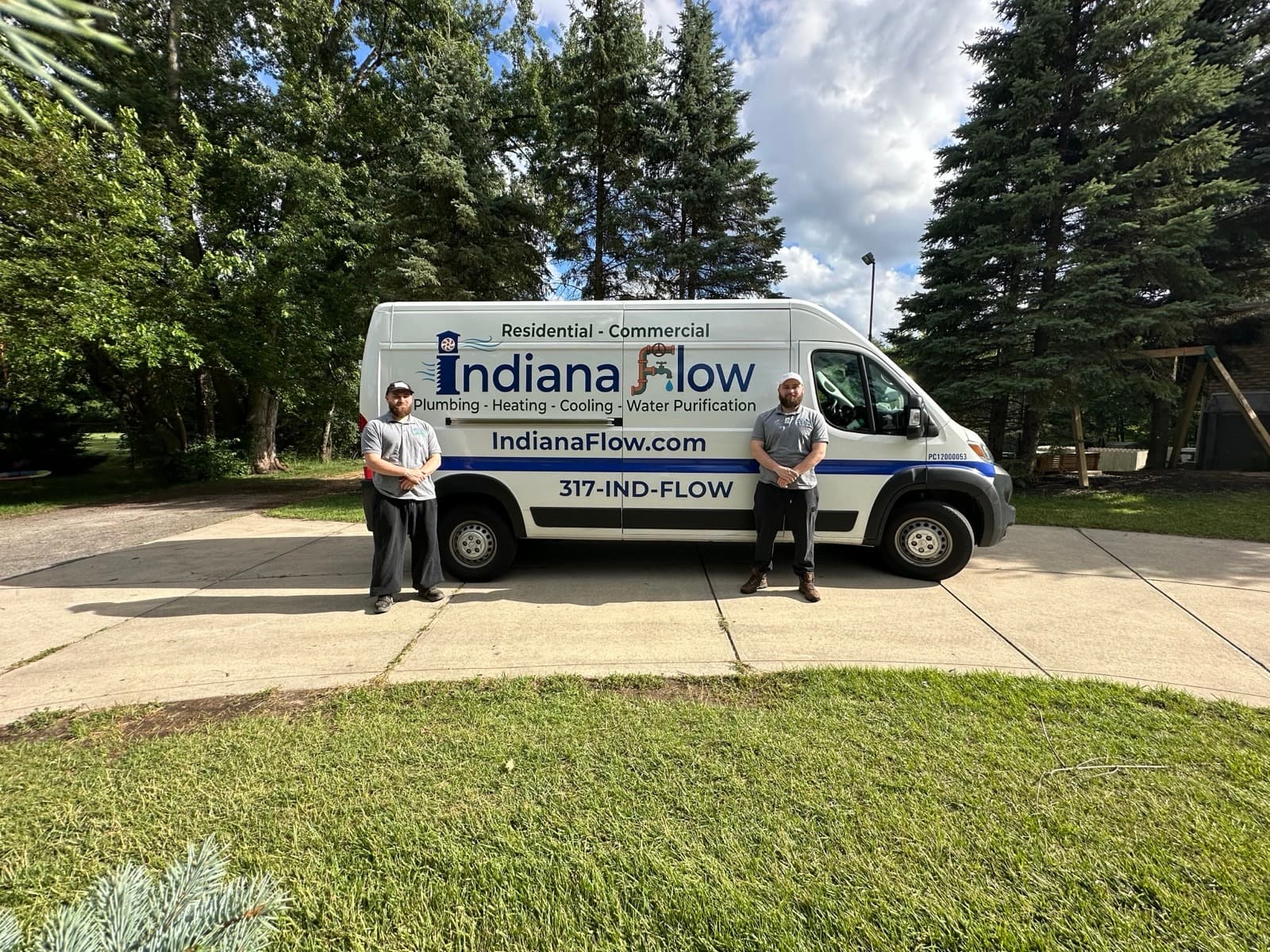
For comparison: Indiana Flow holds plumbing license PC12000053 and backs all labor with a one-year warranty. We are a family business — Ahmad and Omar Saltagi put their name on every job. Gas safety is not negotiable for us.
Common Questions
Gas Piping FAQ
Answers to the questions Indianapolis homeowners ask most often about gas line work.
How much does gas line installation cost?
The cost depends on the length of the run, the complexity of the routing, and whether a permit is required. A simple appliance hookup in a location with existing gas service typically starts around $150–$300. A full new gas line run from the meter to a new room can range from $500 to $1,500 or more depending on distance and material costs. Indiana Flow offers instant online quoting — select your service and get Good/Better/Best pricing without waiting for a callback.
Can I connect my own gas appliance?
Homeowners in Indiana can legally connect an appliance to an existing, properly-terminated stub-out using an approved flexible connector — but they cannot install or modify the gas piping behind the wall. Any work on the gas supply line itself, including adding a tee, extending a run, or replacing a shut-off valve, requires a licensed plumber. Indiana Flow holds license PC12000053.
What should I do if I smell gas?
Leave the building immediately. Do not flip any light switches, use your phone, or touch any electrical devices inside. Once you are outside and away from the building, call your gas utility (Citizens Gas in most of Indianapolis: 317-924-3311) and then call a licensed plumber. Do not re-enter until the utility has cleared the property.
How long does gas line installation take?
A straightforward appliance hookup or valve replacement typically takes 1–2 hours. A new gas line run from an existing main to a new room or outdoor location can take a half day to a full day depending on the routing. If a permit and inspection are required, factor in scheduling time with the city — we handle the permit application for you.
Do you pull permits for gas line work?
Yes. Whenever local code requires a permit for gas piping work — which is the case for most new gas line installations in Indianapolis and surrounding municipalities — Indiana Flow pulls the permit and schedules the inspection. Unpermitted gas work creates liability for the homeowner and can cause problems at resale. We do it right the first time.
Have a question that is not covered here? We are happy to give you a straight answer before you book. Send us a message or call 317-IND-FLOW.
We also offer drain repair and water filtration throughout the Indianapolis metro.
Free Estimate
Ready to Get Started?
Whether you are adding a gas range, running a line to an outdoor kitchen, or dealing with a suspected gas leak that needs inspection and repair, Indiana Flow will give you a clear price and a safe, code-compliant result. We serve Indianapolis, Carmel, Fishers, Westfield, Noblesville, Zionsville, and McCordsville — all with the same licensed, permitted, family-owned service.
Call 317-IND-FLOWRequest a Free Estimate
We'll follow up within minutes.